

Blog

EagleBio Visits AACC in Atlanta Georgia

Eagle Biosciences will be at AACC in Chicago, Illinois!

This year AACC is in Chicago at the McCormick Place Convention Center, Sunday July 24th – Thursday July 28th. We will be at booth #315! Come by to learn about the GA-Map Dybiosis Test Lx and more assays that could help you with your microbiome or other research! We will be there to answer any questions you may have, or stop and say hi! We love seeing our customers!


Product Highlights

GA-Map Dysbiosis Test Lx: The first and only standardized solution for microbiome profiling! The GA-Map Dysbiosis Test Lx is a simple multiplex stool assay that maps the intestinal microbiota profile for a selected set of bacteria. The GA-map® platform uses probes that target variable regions (V3 to V7) of the bacterial 16S rRNA gene to characterize and identify bacteria present. The targets are identified in a molecular multiplex assay that utilizes the Single Nucleotide Primer Extension (SNuPE) technology patented by Professor Knut Rudi (US6617138). A unique algorithm takes advantage of all the data generated by the detection of the SnuPE products to determine dysbiosis level in the sample. The algorithm is incorporated in the GA-map® Dysbiosis Analyzer software that accompanies the test.

GA-map® Dysbiosis Test Lx Procedure Quick Guide
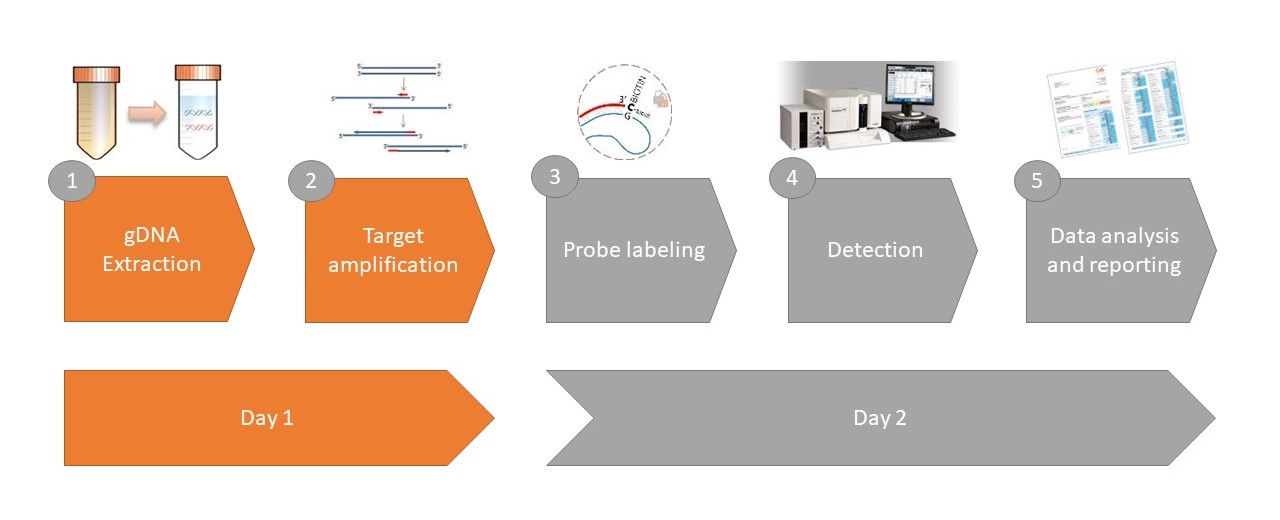
GA-map Dysbiosis Test


If you have any other questions about these products or our other offerings, contact us here.

Lipid peroxidation is a well-established mechanism of cellular injury in both plants and animals and is used as an indicator of oxidative stress in cells and tissues. Lipid peroxides are unstable and decompose to form a complex series of compounds including reactive carbonyl compounds. Polyunsaturated fatty acid peroxides generate malondialdehyde (MDA) and 4-hydroxyalkenals (HAE) upon decomposition. The measurement of MDA and HAE has been used as an indicator of lipid peroxidation (1).

A study was published in the journal Life Sciences, on the role vanillin plays as either prophylaxis or treatment in liver regeneration augmentation. Check out the full text here. 


Abstract

Aims
This study has been designed to investigate the role of vanillin either as prophylaxis or treatment in liver regeneration augmentation and liver fibrosis regression in thioacetamide (TAA) induced liver damage.

Materials and Methods
Animals were injected with TAA to induce liver injury (200 mg/kg twice weekly) for 8 weeks. In vanillin prophylaxis group; rats were administered vanillin (100 mg/Kg; IP, daily) from day 1 of TAA injection for 8 weeks. In vanillin treatment group; rats were confronted with the same dose of TAA injection for 8 weeks then treated with vanillin (100 mg/Kg, IP, daily) for 4 weeks. ALT, AST activities, serum albumin, hepatic GSH, MDA, HGF, VEGF, IL-6 and TNF-α levels were measured and also, MMP-2, TIMP-1 and cyclin D gene expression were determined. Liver sections were stained with H&E and Sirius red and immunostained for Ki-67 and α-SMA for histological and immunohistological changes analysis.

Key Findings
Vanillin improved liver function and histology. Also, showed a remarkable increase in hepatic HGF and VEGF level, and up-regulation of cyclin D1 expression accompanied by a significant up-regulation of MMP-2 and down- regulation of TIMP-1. All these effects were accompanied by TNF-α, IL-6 and oxidative stress significant attenuation.

Significance
In conclusion, vanillin enhanced liver regeneration in TAA-induced liver damage model; targeting growth factors (HGF, VEGF) and cellular proliferation marker cyclin D1. As well as stimulating fibrosis regression by inhibition of ECM accumulation and enhancing its degradation.


About the Lipid Peroxidase Assay

Sample Type: Biological Fluids
Sample Size: 140 µl
Incubation Time: 3 hours


If you have any questions on the Lipid Peroxidase Assay or our other offerings, please contact us here.

Dopamine Sensitive ELISA Assay Utilized in Recent Publication

The Eagle Bioscience’s Serotonin ELISA Assay Kit was utilized in a recent publication focusing on the beneficial consequences of probiotics on the mitochondrial hippocampus in Alzheimer’s disease. Check out the full text and article below.


Background

Abstract
Alzheimer’s (AD) is one of the most common neurodegenerative diseases, causing dementia and brain cells death.

Objectives
This study aimed to assess the ameliorating effect of Acidophilus probiotic against AD induced in rats by d-galactose and AlCl3 injection via evaluating mitochondrial parameter changes in hippocampus.

Methods
This study was carried out on rats were classified into five groups; G1 (control group), G2 (probiotic group), G3 (AD group), G4 (co-treated group) and G5 (post-treated group). By the end of the experiment, some different neurotransmitters, oxidative stress biomarkers, zinc, blood glucose, Na+K−ATPase subunit alpha 1 (ATP1A1), and gene expression of mitochondrial membrane potential (MMP) were measured.

Results
Significant changes in neurotransmitters, antioxidants levels and decreased ATP1A1 activity and gene expression of MMP in the hippocampus in G3 were detected if compared to control. Best improvement in G5 than G4 group was observed. These results were confirmed by histological and immunohistochemical studies in hippocampus.

Conclusions
Acidophilus probiotic was able to alleviate learning and memory associated injuries in AD by reducing mitochondrial dysfunction induced by d-galactose and AlCl3. This may be associated with its antioxidant properties.

Beltagy, D., Nawar, N., Mohamed, T., et al. Beneficial consequences of probiotic on mitochondrial hippocampus in Alzheimer’s disease. Journal of Complementary and Integrative Medicine, (2021).


If you have any questions about the Serotonin ELISA Assay Kit or our other offerings, please contact us here.

Dopamine Sensitive ELISA Assay Utilized in Recent Publication

The Eagle Bioscience’s ASCA IgG ELISA Kit was highlighted in a recent publication. The aim of this study was to validate an enzyme-linked immunosorbent assay (ELISA) for detection of anti-Saccharomyces cerevisiae antibodies (ASCA) in diabetic patients with foot ulcers, after treatment. Check out the abstract and full article below.


Abstract

This work describes the validation of an enzyme-linked immunosorbent assay (ELISA) for detection of anti-Saccharomyces cerevisiae antibodies (ASCA) in diabetic patients with foot ulcers, after the treatment with Heberprot-P®. Validation followed regulatory guidelines of US FDA and European Medicine Agency. Minimum required dilution of samples and quality controls were defined using pools of sera from diabetic patients and from healthy donors. Parameters such as cut point, specificity, precision, selectivity, robustness and sample stability were analyzed. The repeatability and intermediate precision percent ranged between 7.93-10.61% and 7.93-11.43 %, respectively, indicating low intra- and inter-assay variation. The specificity was proved by background noise suppression, reaching 100% of inhibition as strong criterion for the specificity of the immunoassay. The validated ELISA is a reliable tool for ASCA detection in human serum after the administration of Heberprot-P®, in order to find immunological reactions associated with latent contamination by host cell proteins from Saccharomyces cerevisiae.

Perez-Bernal M., Hernandez C., Delgado M., et al. ELISA validation approach for the detection of anti-saccharomyces cerevisiae antibodies in patients treated with biopharmaceutical heberprot-P. J. Anal. Pharm. Res. (2021) 10(2):50-56.


If you have any questions about the ASCA IgG ELISA Kit or our other offerings, please contact us here.


Intracerebral hemorrhage (ICH) is caused by bleeding within the brain. Very few circulating biomarkers are known to be associated with the risk of ICH. Fibroblast growth factor 23 is a bone-derived protein hormone associated with mortality in patients with heart failure. A recent nested case–control study showed that Fibroblast growth factor 23 is associated with risk of intracerebral hemorrhage: Fibroblast growth factor 23 is associated with risk of intracerebral hemorrhage. Svensson EH, Söderholm M. Eur J Neurol. 2022 Jan;29(1):114-120. doi: 10.1111/ene.15060. PMID: 34379844.


Abstract

Background and purpose: Fibroblast growth factor 23 is an osteogenic hormone associated with chronic kidney disease and is an emerging risk factor for several cardiovascular diseases. The association of Fibroblast growth factor 23 (FGF23) with stroke is unclear. The aim of this study was to investigate the association of FGF23 with incident intracerebral hemorrhage (ICH).

Methods: This was a nested case-control study of 220 ICH cases and 244 age- and sex-matched controls from the population-based Malmö Diet and Cancer Study (n = 28,449). Incident ICH cases were ascertained using national registers and classified by bleeding location. Logistic regression was used to study the association of plasma levels of FGF23 with incident ICH, adjusting for potential ICH risk factors. Subgroup analyses were performed for lobar and non-lobar ICH, fatal ICH, ICH with large volume and ICH with poor functional outcome, respectively.

Results: Higher FGF23 levels at baseline were significantly associated with incident ICH. After multivariable adjustment, the odds ratio for the association with all ICH was 1.84 (95% confidence interval [CI] 1.25-2.71, p = 0.002) per doubling of FGF23 concentration. For lobar and non-lobar ICH, odds ratios were 1.73 (95% CI 1.04-2.87, p = 0.035) and 2.13 (95% CI 1.32-3.45, p = 0.002), respectively. FGF23 was also significantly associated with fatal ICH, ICH with large volume and ICH with poor functional outcome.

Conclusions: Higher FGF23 was associated with incident ICH in this nested case-control study. Further studies are required to explore whether the association is causal.


Eagle Biosciences’ FGF23 kits listed below:

FGF23 C-Terminal ELISA Assay Kit
MedFrontier Intact FGF23 Assay


If you have any questions about this items or any of our other offerings, contact us here.

Recent GA-Map Dysbiosis Test Lx Publications
Check out the most recent publications featuring the GA-Map Dysbiosis Test Lx! These studies used the GA-Map Dysbiosis Test Lx to help determine how the gut microbiota takes part in various diseases such as IBS and axial spondyloarthritis. Find them below:


Irritable bowel syndrome patients who are not likely to respond tofecal microbiota transplantation.

Efficacy and Acceptability of Dietary Therapies in NonConstipated Irritable Bowel Syndrome: A Randomized Trial of Traditional Dietary Advice, the Low FODMAP Diet andthe Gluten-Free Diet.

Gut dysbiosis associated with worse disease activity and physical function in axial spondyloarthritis.


Principle of Analysis

The GA-map® Dysbiosis Test Lx v2 is a test that maps the intestinal microbiota profile for a selected set of bacteria. The GA-map® platform uses probes that target variable regions (V3 to V7) of the bacterial 16S rRNA gene to characterize and identify bacteria present. The targets are identified in a molecular multiplex assay that utilizes the Single Nucleotide Primer Extension (SNuPE) technology patented by Professor Knut Rudi (US6617138). A unique algorithm takes advantage of all the data generated by the detection of the SnuPE products to determine dysbiosis level in the sample. The algorithm is incorporated in the GA-map® Dysbiosis Analyzer software that accompanies the test.


If you’re looking for more publications featuring the GA-Map Dysbiosis Test Lx, find them here. If you have any questions about this test or any of our other offerings contact us here. 

TDM Assay Highlight
Eagle Biosciences is proud to highlight our extensive range of Therapeutic Drug Monitoring (TDM) Assays!

Why use TDM Assays?

TDM Assays for biosimilars and biologics are developed primarily for the studies and development of drugs and vaccines in specific therapeutics and therapeutic pathways. They are utilized by pharmaceutical and biopharmaceutical companies, as well as universities and other researchers to aide in a wide variety of research fields.

About TDM Assays

It has long been acknowledged that data on different drug and target species (e.g., free vs total levels of drug target as two possible biomarkers) may satisfy different needs. Depending on the information required for decision-making, the data required and hence the selection of assay (free, total or both) may differ at each phase of drug development.

Free drug levels reflect the availability of the active drug, while the total or bound drug complex is of importance when checking for efficacy or dynamic interactions of the drug, and for other PK/PD assessments. Thus, it is important to understand the information needed at different stages of drug development.

We offer a wide range of products to measure free and partially bound drug, as well as total drug (free, bound, partially bound), and the bound drug complex.

And we’ll be expanding our extensive line in the future!


If you have any questions about our TDM Assay Kits or our other offerings, contact us here.

Dopamine Sensitive ELISA Assay Utilized in Recent Publication

The Eagle Bioscience’s Serotonin ELISA Assay Kit was highlighted in a recent publication on the selective, ultra-sensitive, and rapid detection of serotonin by an optimized ZnO Nanorod FET biosensor. Check out the abstract and full article below.


Abstract

Background: Fluctuation in serotonin (5-HT) level is an essential manifestation of several neurological disorders. In view of such importance, it is necessary to monitor the levels of 5-HT with good sensitivity, selectivity, affordability and low response time. Zinc oxide (ZnO) based field effect transistors (FET) with attributes like minimized noise levels and large on-off ratio are regarded as emerging high performance biosensor platforms. However, their response is significantly non-linear and there has been no appreciable endeavor for improving the non-linearity. Method: In this paper, we have introduced embedded gate electrode encompassing the channel of the FET which improves the uniformity in electric field line distribution through the electrolyte and proportionately enhances the capture of target biomolecule at ultra-low concentrations, thereby increasing the linearity. Further, we have incorporated the optimized parameters of ZnO nanorods reported previously, for rapid and selective detection of 5-HT. Results: It has been observed that the fabricated ZnO FET biosensor lowers the detection limit down to 0.1fM which is at least one order of magnitude lower than the existing reports. The sensor also has wide linear range from 0.1fM to 1nM with a detection time of about 20 minutes. Conclusion: The proposed zinc oxide nanorod-based sensor can be used as an excellent tool for future diagnosis of neurological disorders.

Sinha K., Chakraborty B., Chaudhury S.S., et al. Selective, Ultra-sensitive and Rapid Detection of Serotonin by Optimized ZnO Nanorod FET Biosensor. IEEE Transactions on NanoBioscience.


If you have any questions about the Serotonin ELISA Assay Kit or our other offerings, please contact us here.

GA-map Dysbiosis Test

Understanding the Microbiome with Pioneering Research at Genetic Analysis

Anita Jusnes and Christin Casén of Genetic Analysis AS were recently featured on Dr. Ruscio Radio! They discuss with Dr. Ruscio the GA-Map Dysbiosis Test Lx, the only research dysbiosis index for the gut. The conversation covers topics including but not limited to, how the test came to be, the methodology behind the results, how the test has been validated, and how it can be used to distinguish healthy controls from other samples.

Find the full episode and transcript here.


About the GA-map Dysbiosis Test

The human microbiome market is accelerating both in terms of evidence-based research and pharma products launched. The market’s need for a validated microbiome test is growing. Genetic Analysis AS is at the forefront of this development with the GA-map Dysbiosis Test. The unique, GA-map® Dysbiosis Test, detects and characterizes imbalance in the gut microbiota (dysbiosis) in human fecal samples. All pre-processing of the data is done by the GA-map® Dysbiosis Test analyze software. Reports are automatically generated on the dysbiosis index (DI) and the bacteria abundance. The DI can be customized to your needs. Based on a deviation from a normal reference population, a measure of bacteria abundances and deviations to the references are calculated. The results are presented in an easy to interpret report form, containing the 48 preselected bacteria markers.

Additionally, Genetic Analysis has developed a fecal COVID-19 test that is performed on the same GA-map platform and is an important research tool in the analysis of an individual’s COVID-19 status.


If you have any questions about the GA-map Dysbiosis Test Lx or any of our other offerings, contact us here.

The Eagle Bioscience’s Noradrenaline Sensitive ELISA was highlighted in a recent publication on how brain injuries instruct bone marrow cellular lineage destination to reduce neuroinflammation. Check out the abstract and full article below.


Abstract

Acute brain injury mobilizes circulating leukocytes to transmigrate into the perivascular space and brain parenchyma. This process amplifies neural injury. Bone marrow hematopoiesis replenishes the exhausted peripheral leukocyte pools. However, it is not known whether brain injury influences the development of bone marrow lineages and how altered hematopoietic cell lineages affect neurological outcome. Here, we showed that bone marrow hematopoietic stem cells (HSCs) can be swiftly skewed toward the myeloid lineage in patients with intracerebral hemorrhage (ICH) and experimental ICH models. Lineage tracing revealed a predominantly augmented hematopoiesis of Ly6Clow monocytes infiltrating the ICH brain, where they generated alternatively activated macrophages and suppressed neuroinflammation and brain injury. The ICH brain uses β3-adrenergic innervation that involves cell division cycle 42 to promote bone marrow hematopoiesis of Ly6Clow monocytes, which could be further potentiated by the U.S. Food and Drug Administration-approved β3-adrenergic agonist mirabegron. Our results suggest that brain injury modulates HSC lineage development to curb distal brain inflammation, implicating the bone marrow as a unique niche for self-protective neuroimmune interaction that might be exploited to obtain therapeutic effects.

Shi, SX., Shi, K., Liu, Q. Brain injury instructs bone marrow cellular lineage destination to reduce neuroinflammation. Science Translational Medicine. (2021)13:589.


If you have any questions about the Noradrenaline Sensitive ELISA or our other offerings, please contact us here.