
sThrombomodulin ELISA Kit
Thrombomodulin (TM), also known as CD141 or BDCA-3, is a 557-amino-acid transmembrane glycoprotein predominantly expressed on the luminal surface of vascular endothelial cells. It is also found in other tissues, including the placenta and myometrium, as well as on certain immune cells, such as neutrophils and monocytes. TM plays a central role in regulating coagulation and maintaining the anticoagulant properties of the endothelium. Its extracellular region consists of several functional domains, including an N-terminal C-type lectin-like domain (CTLD), six epidermal growth factor (EGF)-like repeats, and a serine/threonine-rich region, followed by a transmembrane domain and a cytoplasmic tail. TM binds thrombin in a 1:1 complex, substantially enhancing thrombin-mediated activation of protein C. Activated protein C (APC), with its cofactor protein S, inactivates coagulation factors Va and VIIIa, thereby limiting further thrombin generation and excessive clot formation. In addition to its anticoagulant activity, TM contributes to the regulation of inflammation and complement activation.
Soluble thrombomodulin (sTM), consisting primarily of extracellular portions of the membrane-bound protein, can be detected in biological fluids, including serum and urine. It is generally released through proteolytic cleavage or shedding from cell surfaces, particularly during endothelial activation or injury. In research settings, sTM is investigated as a marker of endothelial damage and dysfunction, as well as a mediator of coagulation, inflammation, and complement regulation. Studies have examined its association with vascular inflammation and tissue injury, including atherosclerosis and acute lung injury. TM also has anti-inflammatory properties, partly through its interaction with thrombin and the protein C pathway, which can influence cytokine production. Furthermore, TM participates in complement regulation by supporting factor I-mediated inactivation of C3b, helping limit excessive complement activation.
In clinical research, circulating sTM is studied as a potential biomarker of endothelial injury in inflammatory, vascular, and thrombotic conditions. Increased sTM concentrations have been reported in conditions involving endothelial damage, although levels may vary with disease severity and other factors affecting endothelial function. Genetic mutations affecting thrombomodulin have also been associated with atypical hemolytic uremic syndrome (aHUS), potentially through impaired regulation of complement activation and coagulation. The thrombomodulin assay HK383 is a 4.5-hour ELISA that uses two monoclonal antibodies and a recombinant thrombomodulin standard. Parallelism between the recombinant standard and native human thrombomodulin has been demonstrated, supporting the use of the assay for quantitative measurement of human TM in samples.
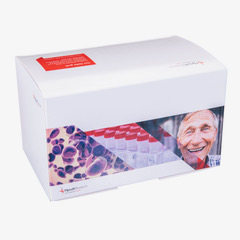
This sThrombomodulin ELISA Kit is manufactured in Netherlands by Hycult Biotech.
| Size | |
| Sensitivity | 31.3 pg/mL |
| Dynamic Range | 31.3 – 2000 pg/mL |
| Incubation Time | 3 hours 30 minutes |
| Sample Type | Serum, Plasma |
| Storage | 2-8°C |
| Alternative Names | TM, sTM, CD141, BDCA-3 |
Related products