
Terminal Complement Complex (TCC) ELISA Kit
The Wieslab® Terminal Complement Complex (TCC), also called C5b-9 or the Membrane Attack Complex (MAC), is the final product of the complement cascade. It forms a pore in the membrane of target cells, leading to lysis and cell death. Measurement of TCC provides a direct readout of terminal complement pathway activation, reflecting the cumulative activity of multiple upstream complement components rather than the level of a single protein. Both soluble (sC5b-9) and membrane-bound forms can be detected, offering insight into systemic and localized complement activation.
In research settings, TCC is widely used as a biomarker to study complement-mediated tissue injury, inflammation, and immune response dynamics. It helps investigators evaluate the role of complement activation in experimental models of autoimmune disorders, infections, and ischemia-reperfusion injury. Researchers also use TCC measurements to assess the effects of complement-targeted therapies, as changes in TCC levels can provide an indication of modulation of terminal pathway activity.
In clinical settings, TCC serves as a biomarker of complement activation in complement-mediated disorders. Elevated levels of soluble TCC have been associated with conditions such as atypical hemolytic uremic syndrome (aHUS), paroxysmal nocturnal hemoglobinuria (PNH), and other complement-mediated inflammatory or autoimmune diseases. Detecting membrane-bound TCC in tissues can provide information about complement activation associated with antibody-mediated transplant rejection or complement-driven tissue injury. Measuring TCC, particularly alongside functional and quantitative complement assays, can provide a more comprehensive assessment of complement system activity and support research into disease mechanisms and treatment strategies.
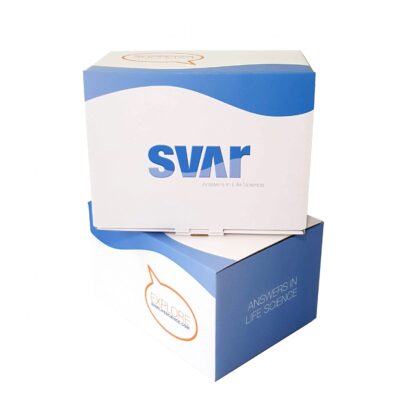
This Terminal Complement Complex (TCC) ELISA Kit is manufactured in Sweden by Svar Life Sciences.
Related products