Blog

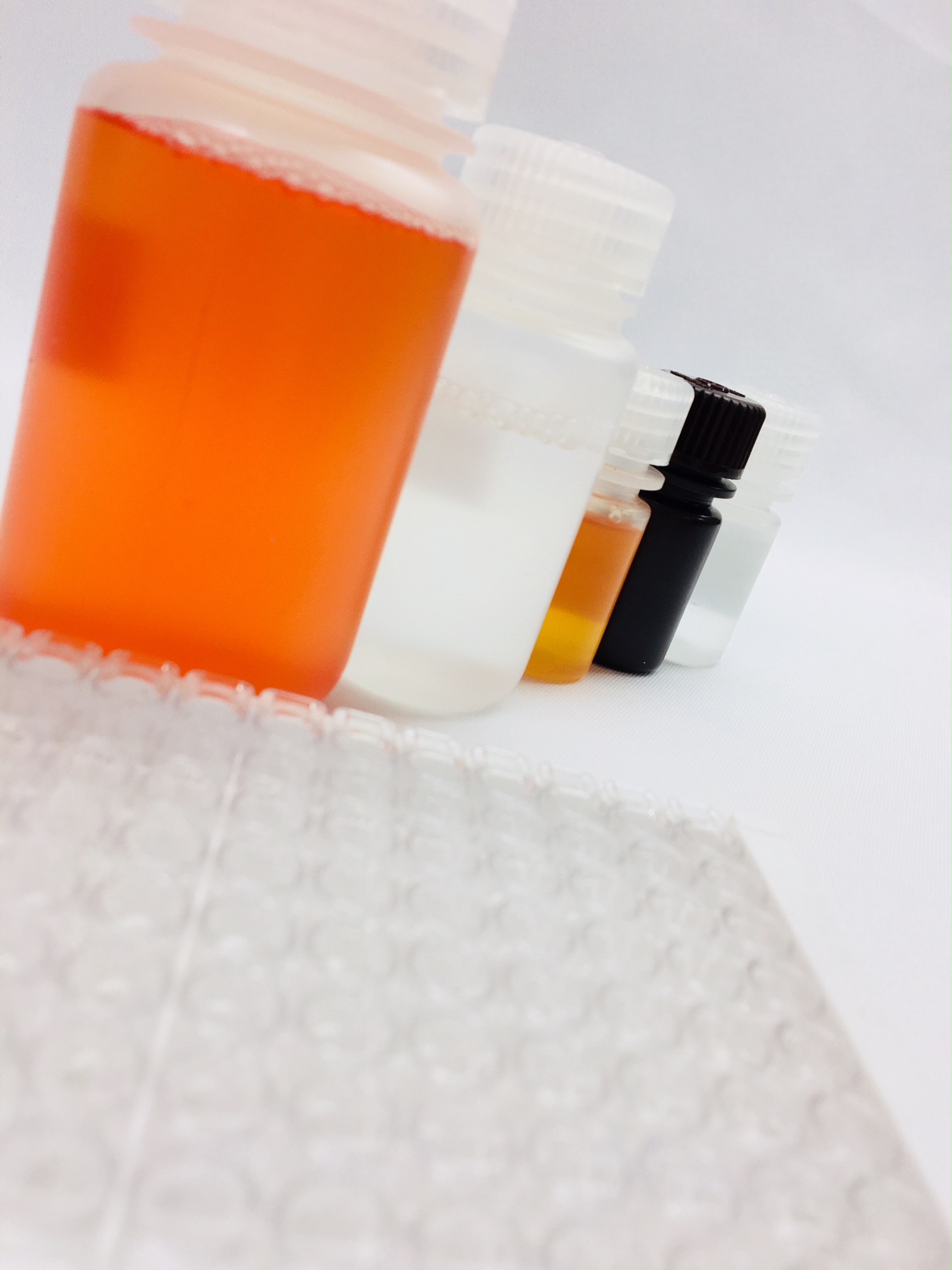
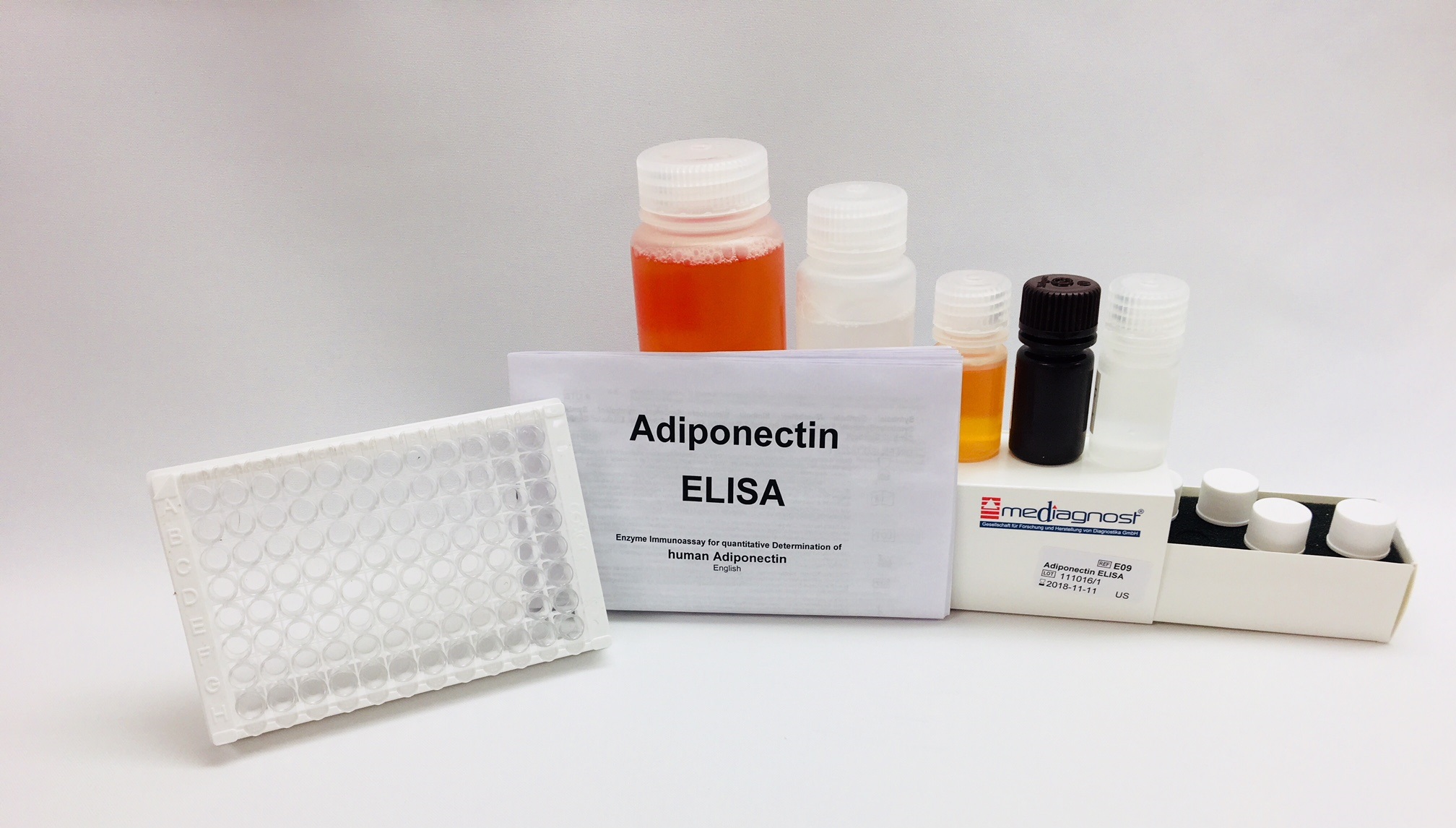
NT-proCNP ELISA Assay Kit is for the quantitative determination of human NT-proCNP in plasma and serum samples. 

Important Factors:

  • Extensively validated for serum and plasma samples (more info here)
  • Reliable– 7 human serum based standards and 2 controls for biologically reliable data. 
  • Robust– Excellent stability in all matrices after sample collection 
  • Easy– Conventional 96-well format 

This ELISA has many areas of interest in the study of vascular disease, growth, angiogenesis, spesis, and skeletal development

This ELISA is manufactured by Biomedica and intended for research use only  

For more information visit Eagle Biosciences NT-proCNP ELISA Assay Kit’s Product Page

Vitamin-D Could Help Patients with Insomnia


In a new study released by Nutritional Neuroscience, Vitamin D supplements may increase quality of sleep in some patients. A double blind, clinical trial was conducted on 89 people between 20-50 years old. The patients were divided into two groups; 44 who will take at least 50,000 units of vitamin D for 8 weeks, and 45 people who will take a placebo. In order to understand each patients quality of sleep they all performed a Petersburg’s Sleep Quality QuestionnaireInternational Physical Activity Questionnaire, general information questionnaire, sun exposure, vitamin D serum level and 3-day food record questionnaire both before and after the study. 

The results of this study showed that a decrease in vitamin D levels also decreases the quality of sleep a patient has. Those patients that took the vitamin D supplements showed a decrease in sleep latency, as well as a better sleep score than those who took a placebo. The conclusion of this study shows promising insight into future studies as ways to help those who suffer from a diagnosed sleep disorder with the use of vitamin D therapies. 


Sources: 
The effect of vitamin D supplement on the score and quality of sleep in 20–50 year-old people with sleep disorders compared with control group. (2017). Nutritional Neuroscience. Retrieved from https://www.tandfonline.com/doi/abs/10.1080/102841…

Eagle Biosciences Welcomes Another Product to the Endocrinology ELISA Product Line!


A Little Bit About Pancreatic Elastase…

Pancreatic elastase is an anionic endoprotease of the serine protease family with a molecular weight of 26 kDa. Together with other digestive enzymes it is synthesized as an inactive pro-enzyme in the acinar cells of the pancreas and is secreted into the duodenum. After its activation, pancreas elastase cleaves peptides after neutral amino acids. Pancreas elastase is mainly bound to bile salts during intestinal passage and is not degraded. In human feces it is 5–6 fold more concentrated than in pancreatic juice. The stool concentration reflects the secretory capacity of the pancreas.

What You Can Expect…

The Eagle Biosciences Pancreatic Elastase ELISA Assay Kit is intended for the quantitative determination of human pancreatic elastase in stool. This kit is for research use only and should not be used in therapeutic procedures. The Eagle Biosciences Pancreatic Elastase ELISA Assay Kit is intended for the quantitative determination of pancreatic elastase in stool. In a first incubation step, the pancreatic elastase in the samples is bound to monoclonal antibodies, immobilized to the surface of the microtiter wells. To remove all unbound substances, a washing step is carried out. In a second incubation step, a peroxidase-labeled conjugate (mouse anti pancreatic elastase) is added which recognizes specifically the bound pancreatic elastase. After another washing step to remove all unbound substances, the solid phase is incubated with the substrate, tetramethyl-benzidine (TMB), which reacts with the peroxidase. An acidic stop solution is added to stop the reaction. The color changes from blue to yellow. The intensity of the yellow color is directly proportional to the concentration of pancreatic elastase. A dose response curve of absorbance unit (optical density, OD at 450 nm) vs. concentration is generated using the values obtained from the standards. Pancreatic elastase present in the patient samples is determined directly from this curve.

Check out this and all of our other Endocrine ELISA’s Here

We at Eagle Biosciences are Proud to Introduce a New ELISA to Our Endocrinology Product Line:


Human Anti-Müllerian Hormone ELISA Assay Kit


What is Anti-Müllerian Hormone (AMH)?

Anti-Müllerian Hormone (AMH) or Müllerian-inhibiting hormone (MIH) is a glycoprotein hormone structurally related to inhibin and activin from the transforming growth factor beta superfamily, whose key roles are in growth differentiation and folliculogenesis. AMH expression is critical to sex differentiation at a specific time during fetal development, and appears to be tightly regulated by nuclear receptor SF1, transcription GATA factors, sex-reversal gene DAX1, and follicle-stimulating hormone
(FSH). AMH is activated by SOX9 in the Sertoli cells of the male fetus thereby
arresting the development of fallopian tubes, uterus, and upper vagina. AMH is
also a product of granulosa cells of the preantral and small antral follicles
in women. As such, AMH is only present in the ovary until menopause. AMH can
serve as a molecular biomarker for relative size of the ovarian reserve and can
also be used as a marker for ovarian dysfunction, such as in women with
polycystic ovary syndrome (PCOS).


What Makes Eagle Biosciences AMH Assay Different?

Compared to other products on the market, our Anti-Müllerian Hormone ELISA Assay Kit provides a much simpler procedure with less washes and incubation time. Eagle Biosciences Human Anti-Müllerian Hormone ELISA Assay kit is intended for use in the quantitative determination of human Anti-Mullerian Hormone (AMH) levels in serum, EDTA plasma and lithium heparin plasma samples.

Size 1×96 wells
Sensitivity 0.02 ng/mL
Dynamic Range 0.11-20 ng/mL
Incubation Time 4.5 hours
Sample Type Serum/Plasma
Sample Size 50 µL


Supporting Resources: 

Broer, S., Broekmans, F., Laven, J. and Fauser, B. (2014). Anti-Müllerian hormone: ovarian reserve testing and its potential clinical implications. Human Reproduction Update, 20(5), pp.688-701.

Dewailly, D., Andersen, C., Balen, A., Broekmans, F., Dilaver, N., Fanchin, R., Griesinger, G., Kelsey, T., La Marca, A., Lambalk, C., Mason, H., Nelson, S., Visser, J., Wallace, W. and Anderson, R. (2014). The physiology and clinical utility of anti-Müllerian hormone in women. Human Reproduction Update, 20(3), pp.370-385.

Dumont, A., Robin, G., Catteau-Jonard, S. and Dewailly, D. (2015). Role of Anti-Müllerian Hormone in pathophysiology, diagnosis and treatment of Polycystic Ovary Syndrome: a review. Reproductive Biology and Endocrinology, 13(1).

EagleBio’s Adrenaline, Nonadrenaline, and Dopamine ELISA Assay, was recently used in an environmental study. This assay is a part of our Neurobiology Assay Kit line which is comprised of a unique set of products that can ve used in a variety of applications, research, and fields of study. Check out the product page for full details on this kit, or click the below to check out the new publications referencing our Adrenaline, Nonadrenaline, Dopamine ELISA Assay.

Egorov, Andrey I., et al. “Vegetated land cover near residence is associated with reduced allostatic load and improved biomarkers of neuroendocrine, metabolic and immune functions.” Environmental Research, vol. 158, Oct. 2017, pp. 508-521., https://www.sciencedirect.com/science/article/pii/S0013935117304826

“Greater exposure to urban green spaces has been linked to reduced risks of depression, cardiovascular disease, diabetes and premature death. Alleviation of chronic stress is a hypothesized pathway to improved health. Previous studies linked chronic stress with a biomarker-based composite measure of physiological dysregulation known as allostatic load.” Read More. 

Join Us for a Special Webinar Featuring the New TK 210 ELISA Assay Kit

Wednesday, November 15, 2017 at 10:00 AM EST

REGISTER HERE


AroCell TK 210 ELISA:

A Novel Proliferation Biomarker to 

Study Hematological Malignancies

Thymidine Kinase 1 (TK1) has been long known as a valuable biomarker of cellular proliferation. However, previous methods have been based on enzyme activity measurements that are complex and require specialized equipment. Introducing the AroCell TK 210 ELISA as a new valuable assay for TK1 that brings the simplicity and robustness in a widely available assay kit (sold only in the US by Eagle Biosciences). Based on unique monoclonal antibodies (TK 210 epitope), the AroCell TK 210 ELISA Assay Kit creates an easy to use assay and provides new opportunities for studying cellular proliferation, tumor cell turnover and therapy response in subjects with hematological malignancies. 

During this webinar, you will learn the importance of proliferation biomarkers, and their key role in monitoring malignancies, as well as the aiding in making prognoses which could provide early insights into the effects of therapy. Since Thymidine kinase 1 (TK1) is a well-known proliferation biomarker, studying this biomarker has been based on enzyme activity methods and may underestimate serum TK1 levels, particularly in subjects with solid tumors. Improved immunoassays of TK1 based on the TK 210 antigen (AroCell TK 210 ELISA) has shown promising insight of studying these hematological malignancies. 


Meet the Speakers: 

Staffan Eriksson | Professor in Medical and Physilogical Chemistry at the

Swedish University of Agricultural Sciences

Steffan Eriksson has been active in the research of medical biochemistry and Thymidine Kinase for many decades, and has published over 120 scientific studies related to these topics. He is also founder of AroCell AB and one of the inventors of the TK 210 ELISA Assay test for measuring cell grown and turnover. 


Martin Shaw | AroCell Development Manager

Martin Shaw has had a long experience in the development and application of many novel biomarkers. He has participated in industry-wide consortia on the qualification of biomarkers for application in pre-clinical and clinical trials. He has spoken at many congresses including being a guest speaker at the FDA. 


We Hope You Can Join Us!


If you would like to receive a white paper on the use of TK1 and TK 210
ELISA in studying hematological malignancies, please 
click here

Ustekinumab (Stelara®) ELISA Assay Kit is for Research Use Only. Not to be used in diagnostic procedures.

A new ELISA assay kit for the quantitative determination of free Ustekinumab. This new kit, Ustekinumab (Stelara®) ELISA Assay Kit has recently been added to our Drug Monitoring Assay Kit line which is a complete group comprised of a unique, versatile set of products for a variety of applications, research, and fields of study surrounding overall immunological health and immunological-related disorders.

What is Ustekinumab?

The drug Ustekinumab (brand name Stelara®) is a humanized immunoglobulin G1k monoclonal antibody that binds with high specificity to the p40 protein subunit used by both the IL-12 and IL-23 cytokines. The Ustekinumab ELISA (mAb-based) kit can be efficiently used for measuring free Certulizumab pegol levels in serum and plasma, without any cross reaction with any other drug directed to target IL-12 and IL-23 molecules.

Why Measure Ustekinumab ELISA from EagleBio?

This Ustekinumab ELISA (mAb-Based) measures the free form of Ustekinumab and the choice of specifically measuring the free form allows investigators to analyze the concentration-effect relationship. Our assay is superior to any other assay kit in the market in terms of specificity.

Our assay offers:

  • Unique Specificity: The  Ustekinumab ELISA (mAb-Based) measures the biologically active free form of Ustekinumab, i.e. not preoccupied by human IL-12 or IL-23 antigen. No cross reaction was observed with sera spiked with the other therapeutic antibodies including: Infliximab, Rituximab, Cetuximab, Vedolizumab, Tocilizumab, Trastuzumab, Nivolumab and Bevacizumab at concentrations tested up to 40 µg/mL.
  • Fast results: incubation time- 2.25 hours
  • Automatable: suitable for use by an automated ELISA processor.

Ustekinumab (Stelara®) ELISA Assay Kit

Catalog number: IG-AB121

image credit: www.the-scientist.com

In a recent study, mice injected with the genetic sequence for a monoclonal antibody survived after inoculation with a life-threatening bacterial disease. This opens many doors for a possibly cheaper and faster method of delivering monoclonal antibody treatments to patients.

Ken Stover, a microbiologist at AstraZeneca subsidiary MedImmune, explains several advantages to this technique. “DNA is more readily manufacturable than protein antibodies,” he says, and so “the time to produce [a] drug may be quicker; DNA can hang around a while and continue to express the monoclonal antibody, hopefully at levels that are more sustainable.” 

Read More

A. Patel et al., “An engineered bispecific DNA-encoded IgG antibody protects against Pseudomonas aeruginosa in a pneumonia challenge model,” Nature Communications, 8:637, 2017.

C. Offord et al., “DNA-Delivered Antibodies Fight Off Lethal Bacteria Infection.” The Scientist, 3 Oct 2017.

image credit: www.iflscience.com

Multiple Sclerosis (MS) is a neurodegenerative autoimmune disorder, that occurs when the immune system attacks the myelin around nerve cells. Two different recent studies may have found a link between the microbial biome in the gut and the progression of MS. The studies, conducted by University of California San Diego and the Max Planck Institute in Germany, found differences in the gut bacteria of patients with MS and patients without. These different strains triggered cells to be pro-inflammatory. Learn More Here.

Cekanaviciutea, Egle, et al. “Gut bacteria from multiple sclerosis patients modulate human T cells and exacerbate symptoms in mouse models.” Proceedings of the National Academy of Sciences, National Academy Sciences.

image credit: https://medicine.wustl.edu

The Zika virus, which can cause devastating damage to the brains of developing fetuses could one day be developed to effectively treat glioblastoma, a deadly brain cancer. The Washington University School of Medicine in St. Louis and the University of California San Diego School of Medicine conducted some research that shows that the virus kills brain cancer stem cells, the type of cell most resistant to treatments. 

Bhandari, Tamara. “Zika virus kills brain cancer stem cells.” Washington University School of Medicine in St. Louis, 5 Sept. 2017, medicine.wustl.edu/news/zika-virus-kills-brain-cancer-stem-cells/.