
Lactoferrin ELISA Kit
Human lactoferrin (LF) is an approximately 80 kDa iron-binding glycoprotein found predominantly in the secondary granules of neutrophils. It is also expressed by epithelial cells and is present in various body fluids and secretions, including milk, saliva, and gastrointestinal secretions. First isolated from human milk, lactoferrin is an important component of innate immune defense due to its antibacterial, antifungal, antiviral, antioxidant, and immunomodulatory properties. Its ability to bind iron limits the availability of this essential nutrient to microorganisms, contributing to its antimicrobial activity. Lactoferrin also interacts with bacterial components through its highly positively charged amino-terminal region and may exert antimicrobial effects through intracellular changes in bacteria. Additionally, pepsin cleavage of lactoferrin produces lactoferricin H, a 47-amino-acid peptide with potent antimicrobial activity that can inhibit the classical complement pathway. Within neutrophils, lactoferrin is released from secondary granules upon activation, making extracellular concentrations an indicator of neutrophil activation and inflammatory responses.
In research settings, lactoferrin is studied as a marker of neutrophil activation, innate immune defense, and inflammation. Its antimicrobial and immunomodulatory properties make it relevant to investigations of infectious diseases, gastrointestinal health, and host-microorganism interactions. Researchers also examine lactoferrin concentrations in different biological samples to evaluate inflammatory activity. Plasma concentrations in healthy individuals are approximately 190–500 ng/mL and are influenced by the total neutrophil pool and neutrophil turnover. During inflammation and infection, extracellular lactoferrin concentrations can increase substantially, sometimes by 10–100-fold. Lactoferrin is also investigated in gastrointestinal research because fecal concentrations reflect neutrophil activity and intestinal inflammation.
In clinical research, fecal lactoferrin is investigated as a non-invasive biomarker for identifying and monitoring intestinal inflammation, particularly in inflammatory bowel disease (IBD), including Crohn’s disease. Fecal concentrations in healthy individuals are approximately 1 µg/g, compared with reported levels of approximately 75–310 µg/g in individuals with colorectal cancer or IBD. Urinary and breast milk concentrations in healthy individuals are approximately 30 ng/mL and 500 µg/mL, respectively. Measuring fecal lactoferrin may help researchers assess intestinal inflammation, monitor disease activity, and evaluate responses to treatment. Combining lactoferrin measurements with other biomarkers, such as calprotectin, defensins, elastase, myeloperoxidase (MPO), intestinal fatty acid-binding protein (I-FABP), and MAdCAM, may provide additional insight into intestinal inflammatory processes and disease classification.
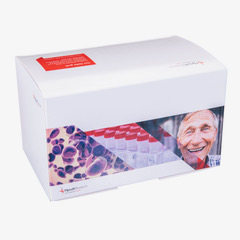
This Lactoferrin ELISA Kit is manufactured in Netherlands by Hycult Biotech.
Related products