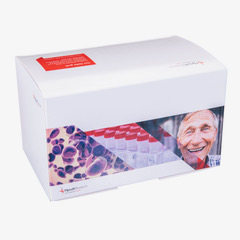

sCD14 ELISA Kit
CD14 (cluster of differentiation 14) is a 55 kDa glycoprotein that functions as a pattern recognition receptor for bacterial lipopolysaccharide (LPS), a major component of the outer membrane of Gram-negative bacteria. It is expressed predominantly on the surface of monocytes, macrophages, and polymorphonuclear neutrophils (PMNs), which play important roles in recognizing and clearing bacteria and LPS. CD14 expression has also been reported in other cell types, including B cells, mesangial cells, and basophils. Together with LPS-binding protein (LBP), CD14 facilitates the recognition and transfer of LPS to cellular signaling complexes, initiating innate immune responses. In addition to pathogen recognition, CD14 contributes to cell-cell interactions and the regulation of inflammatory signaling.
CD14 exists in both membrane-bound and soluble forms (sCD14). Membrane-bound CD14 is anchored to the cell surface by a glycosylphosphatidylinositol (GPI) anchor, whereas sCD14 lacks this membrane anchor and circulates in biological fluids. Two major forms of sCD14 have been described: an approximately 48 kDa form derived from membrane-bound CD14 and a 56 kDa form thought to be released directly into plasma or cell culture supernatants following intracellular processing. Soluble CD14 has complex regulatory effects on LPS-induced immune responses. It can facilitate the transfer of LPS to lipoproteins, promoting LPS neutralization, while also enabling LPS-mediated activation of cells that lack membrane-bound CD14, including endothelial and epithelial cells. At high concentrations, sCD14 may also inhibit LPS-induced activation of monocytes.
In clinical research, sCD14 is investigated as a potential biomarker of innate immune activation, infection, and systemic inflammation. Circulating sCD14 concentrations in healthy individuals are generally reported to range from approximately 2–4 µg/mL, with elevated levels observed in various infectious diseases. Measuring sCD14 may help researchers evaluate host responses to bacterial endotoxin exposure and investigate inflammatory processes associated with infection and immune dysregulation. Its ability to both enhance and limit LPS-mediated cellular activation makes sCD14 particularly relevant to studies of the complex regulation of innate immune responses.
This sCD14 ELISA Kit is manufactured in Netherlands by Hycult Biotech.
Related products