
PR3 ELISA Kit
Proteinase 3 (PR3), also known as myeloblastin, is a neutral serine protease primarily found in the azurophilic granules of neutrophils and in granules of monocytes. It is also present on the surface of neutrophils, including membranes associated with secretory vesicles. PR3 plays several roles in innate immunity, inflammation, and myeloid cell differentiation. It degrades extracellular matrix proteins, including elastin, and can inactivate endogenous protease inhibitors such as C1 inhibitor. PR3 also processes inflammatory mediators, including membrane-bound tumor necrosis factor (TNF), interleukin-1 beta (IL-1β), and interleukin-18 (IL-18), thereby contributing to inflammatory signaling. Additionally, membrane-associated PR3 can activate caspase-3 without inducing neutrophil apoptosis, a mechanism that may contribute to neutrophil survival. PR3 is also a major target antigen of anti-neutrophil cytoplasmic antibodies (ANCA), particularly PR3-ANCA, which are strongly associated with granulomatosis with polyangiitis (GPA), formerly known as Wegener’s granulomatosis.
In research settings, PR3 is studied for its role in neutrophil activation, proteolytic activity, and inflammatory signaling. PR3-ANCA can activate primed neutrophils, stimulating the production of reactive oxygen species and the release of granule enzymes, including PR3 itself. These autoantibodies may also interfere with the interaction between PR3 and its physiological inhibitor, alpha-1-antitrypsin (α1-AT), potentially altering the regulation of PR3 activity. At sites of inflammation, PR3 may cleave PR3-ANCA–PR3 complexes, potentially allowing proteolytically active PR3 to persist. PR3-ANCA have also been shown to stimulate the 5-lipoxygenase pathway in primed neutrophils. In the presence of extracellular arachidonic acid, this response can promote lipid mediator production, granule secretion, and respiratory burst activity. These mechanisms make PR3 relevant to research into neutrophil-mediated tissue injury and autoimmune inflammation.
In clinical research, PR3 is particularly important in the investigation of ANCA-associated vasculitis, especially granulomatosis with polyangiitis, where PR3-ANCA serves as an important serological marker. PR3 and PR3-ANCA are also investigated in other inflammatory conditions, including rheumatoid arthritis and inflammatory bowel disease (IBD), as well as inflammation-associated conditions such as type 2 diabetes, cardiovascular disease, and atherosclerosis. However, the significance of PR3 in these conditions varies, and its involvement does not establish it as a disease-specific biomarker. Measuring PR3 and studying PR3-ANCA interactions can provide insight into neutrophil activation, protease regulation, and inflammatory processes, particularly in autoimmune and vascular inflammation.
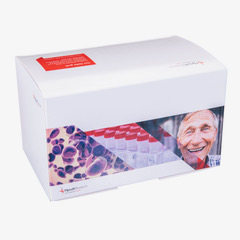
This PR3 ELISA Kit is manufactured in Netherlands by Hycult Biotech.
| Size | |
| Sensitivity | 0.63 ng/mL |
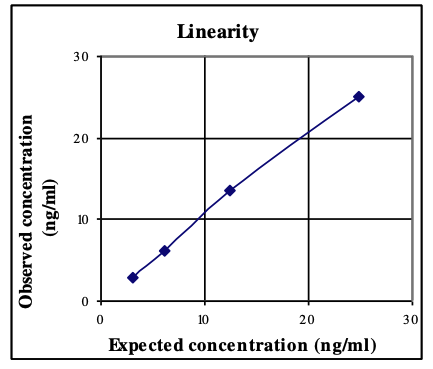
| Dynamic Range | 0.63 – 40 ng/mL |
| Incubation Time | 3 hours 30 minutes |
| Sample Type | Serum, Plasma |
| Storage | 2-8°C |
| Alternative Names | PR3, Myeloblastin |
Related products