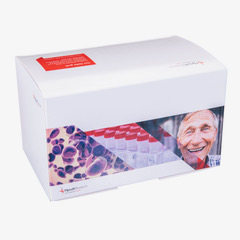

LL-37 ELISA Kit
Cathelicidins are a family of antimicrobial proteins predominantly stored in the peroxidase-negative granules of neutrophils. They are synthesized as preproproteins and stored in neutrophil granules as inactive precursors following removal of their signal peptides. The biologically active antimicrobial domains are generally located at the C-terminus and are released through proteolytic cleavage by serine proteases from azurophilic granules. Human cathelicidin antimicrobial protein 18 (hCAP-18) is the only known human member of this protein family. Its C-terminal active peptide, LL-37, consists of 37 amino acids and exhibits broad antimicrobial activity against both Gram-positive and Gram-negative bacteria. LL-37 can also act synergistically with defensins to enhance antimicrobial defense. In addition to its antimicrobial properties, LL-37 functions as a chemoattractant for neutrophils, monocytes, and T cells and may influence inflammatory responses. It is relatively resistant to proteolytic degradation, although it can exert cytotoxic effects on mammalian cells at certain concentrations.
In research settings, LL-37 is studied for its role in innate immune defense, antimicrobial activity, and the regulation of inflammation. Its ability to target a broad range of bacteria and work synergistically with defensins makes it relevant to investigations of host-pathogen interactions and antimicrobial mechanisms. Researchers also examine its chemotactic properties and involvement in immune cell recruitment, as well as its potential role in maintaining mucosal defense. For example, reduced salivary LL-37 has been associated with periodontal disease in individuals with Kostmann syndrome, highlighting its importance in oral antimicrobial protection.
In clinical research, LL-37 is investigated as a potential biomarker of innate immune activation and infectious or inflammatory conditions. Circulating LL-37 concentrations in plasma have been reported to range from approximately 25–250 ng/mL and may increase during infectious diseases. Measuring LL-37 levels can help researchers investigate antimicrobial responses, immune cell recruitment, and the relationship between innate immune defense and inflammation. Its antimicrobial activity and relative resistance to degradation make it a relevant target for studies of host defense across different biological environments.
This LL-37 ELISA Kit is manufactured in Netherlands by Hycult Biotech.
| Size | |
| Sensitivity | 0.1 ng/mL |
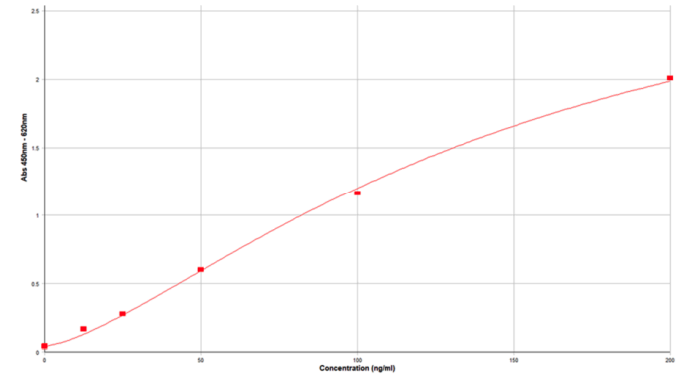
| Dynamic Range | 0.1 – 100 ng/mL |
| Incubation Time | 3 hours 30 minutes |
| Sample Type | Cell Culture Supernatant, Cervicovaginal Secretions, Plasma, Saliva, Serum, Urine |
| Storage | 2-8°C |
Related products