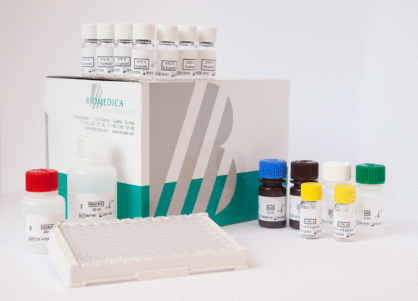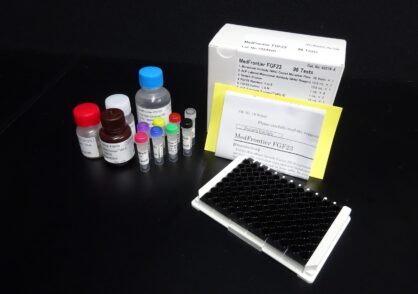

Human tPA activity ELISA Kit
Tissue-type plasminogen activator (tPA) is a serine protease primarily produced by endothelial cells that plays a central role in the fibrinolytic system by converting plasminogen into plasmin, the enzyme responsible for breaking down blood clots. tPA activity is tightly regulated in the body to maintain the balance between clot formation and dissolution, and dysregulation can contribute to thrombotic disorders, cardiovascular disease, and impaired wound healing. Measuring tPA activity provides insight into an individual’s fibrinolytic capacity and helps understand the dynamics of hemostasis and vascular health.
The tPA Activity ELISA (enzyme-linked immunosorbent assay) quantitatively measures the functional activity of tPA in plasma, serum, or other biological fluids. In research settings, this assay is used to study mechanisms of fibrinolysis, thrombosis, and endothelial function. Researchers employ tPA activity measurements to explore the impact of drugs, genetic factors, or disease states on the fibrinolytic system, and to investigate interactions with plasminogen activator inhibitors and other regulatory proteins.
In clinical applications, tPA activity ELISAs can aid in the assessment of patients with bleeding or thrombotic disorders, cardiovascular risk evaluation, and monitoring of therapeutic interventions such as thrombolytic treatments. It can also help detect abnormalities in fibrinolytic function associated with liver disease, sepsis, or metabolic syndromes, providing valuable information for diagnosis, prognosis, and personalized treatment strategies.
This Human tPA activity ELISA Kit is manufactured in USA by Eagle Biosciences.
Related products