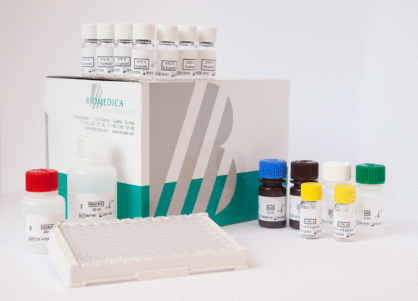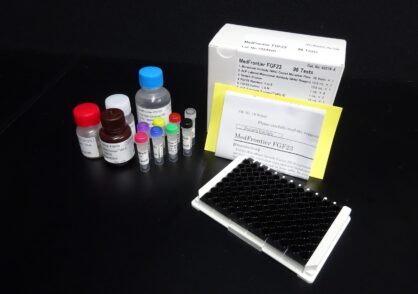

Glutamate ELISA Kit
Histamine is a biogenic amine derived from the amino acid histidine and functions as a key mediator in immune responses, gastric acid secretion, neurotransmission, and inflammatory processes. It is stored primarily in mast cells and basophils and is released in response to allergens, tissue injury, or certain drugs. As a biomarker, histamine reflects immune system activation, allergic reactions, and inflammatory status, making it valuable in both research and clinical contexts. Histamine levels can be measured in plasma, serum, urine, or tissue samples using techniques such as enzyme-linked immunosorbent assays (ELISA), high-performance liquid chromatography (HPLC), or mass spectrometry.
In research, histamine is used to study allergic responses, inflammation, and mast cell biology. Measuring histamine allows investigators to assess the severity of allergic reactions, investigate the mechanisms of immune activation, and evaluate the effects of antihistamines or other modulatory drugs. Histamine is also employed in studies of gastric physiology, neurotransmission, and neuroimmune interactions, providing insights into conditions such as peptic ulcer disease, migraine, and neuroinflammation.
This Glutamate ELISA Kit is manufactured in Germany by LDN.
Related products