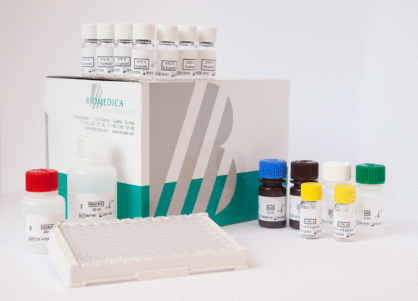

DNA Damage (8-OHdG) ELISA Kit
8-Hydroxy-2-deoxyguanosine (8-OHdG) is a widely recognized biomarker of oxidative DNA damage. It forms when reactive oxygen species (ROS), particularly hydroxyl radicals, attack the guanine base within DNA, resulting in a modified nucleoside that is excised during DNA repair processes and subsequently released into biological fluids. Because oxidative stress plays a central role in cellular aging, inflammation, and the pathogenesis of numerous diseases, 8-OHdG has become one of the most studied markers for assessing DNA oxidation in vivo.
In research settings, 8-OHdG is frequently measured in urine, serum, plasma, tissue extracts, and even saliva to quantify oxidative stress levels under various physiological and experimental conditions. It is widely used in studies of aging, environmental exposure (e.g., pollution, radiation, toxins), metabolic disorders, and neurodegenerative diseases. Its sensitivity makes it valuable for evaluating antioxidant interventions, lifestyle effects, and mechanisms of oxidative injury in both animal models and human research.
Clinically, 8-OHdG is increasingly explored as a potential indicator of disease risk, severity, and prognosis. Elevated levels have been associated with cardiovascular disease, cancer, diabetes, chronic kidney disease, and other disorders where oxidative stress contributes to pathology. Although not yet a routine diagnostic marker, 8-OHdG testing is used in specialized labs for monitoring oxidative stress burden, assessing therapeutic response, and supporting clinical research aimed at linking DNA oxidation with human health outcomes.
This DNA Damage (8-OHdG) ELISA Kit is manufactured in Canada by StressMarq.
Related products