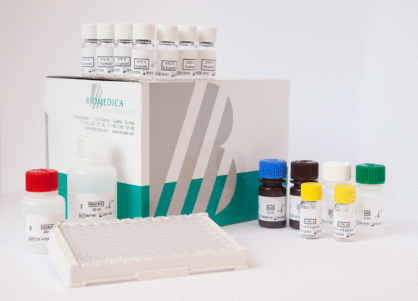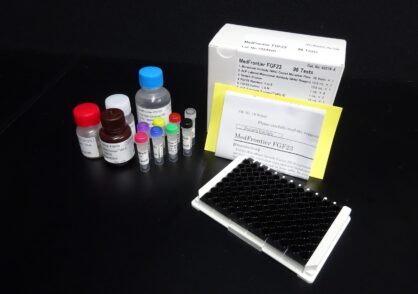

Anti-Phospholipid screen ELISA Kit
Anti-phospholipid antibodies (aPL) are autoantibodies directed against phospholipid-binding proteins, most notably β2-glycoprotein I, and are associated with an increased risk of thrombosis and pregnancy complications. These antibodies can disrupt normal coagulation processes by promoting platelet activation, endothelial dysfunction, and interference with natural anticoagulant pathways. Detection of aPL is critical because their presence defines anti-phospholipid syndrome (APS), an autoimmune disorder that can manifest as recurrent blood clots, miscarriage, or other vascular complications.
The Anti-Phospholipid Screen ELISA is designed to detect and quantify these autoantibodies in serum or plasma, typically measuring anticardiolipin antibodies, anti-β2-glycoprotein I antibodies, and sometimes lupus anticoagulant activity. In research settings, this assay is used to investigate the mechanisms of autoimmunity, the role of aPL in thrombosis and pregnancy loss, and to study how these antibodies interact with coagulation pathways. It also enables the evaluation of potential therapies aimed at reducing antibody-mediated complications.
In clinical practice, the Anti-Phospholipid Screen ELISA is an essential diagnostic tool for identifying patients with APS or those at risk of developing thrombotic events related to aPL. It assists in risk stratification, guiding anticoagulant therapy, and monitoring treatment efficacy. The assay is also used to screen patients with unexplained recurrent pregnancy loss or thrombotic events, providing critical information to inform clinical management and prevent further complications.
This Anti-Phospholipid screen ELISA Kit is manufactured in Germany by Medipan GmbH.
Related products