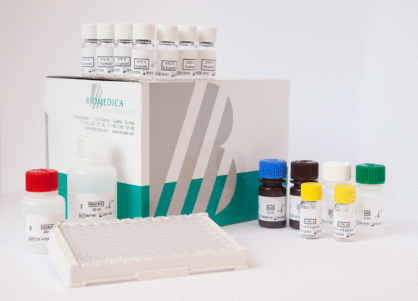

Rat AGP ELISA Kit
Rat Alpha 1-Acid Glycoprotein (AGP) is an acute-phase plasma protein predominantly produced by the liver in response to inflammation, infection, or tissue injury. It is a heavily glycosylated protein that modulates immune responses, binds and transports various endogenous and exogenous compounds, and can influence drug pharmacokinetics. As an acute-phase reactant, its plasma levels can increase several-fold during systemic inflammation, making it a sensitive biomarker for inflammatory states in rodents. AGP also plays a role in immunomodulation by affecting neutrophil and lymphocyte function, and it participates in controlling the inflammatory response to prevent excessive tissue damage.
Enzyme-linked immunosorbent assays (ELISAs) for rat AGP enable quantitative measurement of this protein in serum, plasma, or other biological fluids. In research settings, rat AGP ELISAs are commonly used to monitor inflammatory responses in preclinical models of infection, autoimmune disease, or tissue injury. They are also valuable for studying the pharmacokinetics and protein-binding properties of drugs, as AGP can influence drug distribution and efficacy.
In a clinical or translational research context, measuring rat AGP can serve as a surrogate marker for systemic inflammation or as an indicator of physiological stress in experimental models. This makes it useful for evaluating the effectiveness of anti-inflammatory therapies, monitoring disease progression, or assessing the impact of experimental interventions on immune and inflammatory pathways. By providing reliable quantitative data, rat AGP ELISAs help bridge preclinical findings to potential human applications.
This Rat AGP ELISA Kit is manufactured in USA by Eagle Biosciences.
Related products