

Cystatin C (gene: Cst3) is a small (≈13 kDa), non-glycosylated secretory protein belonging to the cystatin superfamily of cysteine protease inhibitors. It is produced at a constant rate by nearly all nucleated cells and found in all body fluids, including blood, cerebrospinal fluid, and urine. In mice, as in humans, Cst3 encodes the precursor of cystatin C, which is processed and secreted mainly into the bloodstream where it inhibits lysosomal cathepsins (e.g., cathepsin B, H, L, S). Because its production is stable and independent of muscle mass, cystatin C is considered a reliable marker of glomerular filtration rate (GFR) and renal function, often more accurate than creatinine in both animal models and humans.
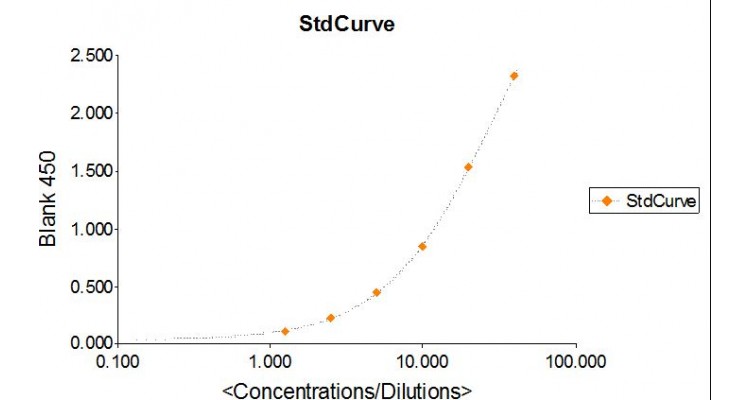
In mouse models, cystatin C serves as a sensitive biomarker of early kidney injury or dysfunction across a range of experimental settings—such as drug nephrotoxicity studies, diabetic nephropathy models, and aging or genetic knockout experiments affecting renal physiology. It is frequently quantified using mouse-specific ELISA kits, which allow detection of subtle GFR changes before serum creatinine levels rise. Beyond nephrology, cystatin C is also used to explore its roles in neurodegeneration, atherosclerosis, and inflammation, as it modulates extracellular protease activity and has been linked to amyloid plaque formation in Alzheimer’s disease models.
Clinically, cystatin C is an established biomarker of renal function in humans, integrated into equations for estimating GFR (eGFRcys). Its translational consistency between mouse and human makes it an important bridge biomarker for preclinical-to-clinical studies. Elevated cystatin C levels in plasma or cerebrospinal fluid may also indicate neurodegenerative disease or cardiovascular risk, expanding its diagnostic scope beyond kidney health. In summary, mouse cystatin C provides a robust and quantifiable indicator for both renal physiology studies and broader systemic or neuroinflammatory research, with clear clinical parallels that enhance its translational utility.
This product is manufactured in USA by Eagle Biosciences.